Guryev Porridge in a Modern Interpretation
Guryev porridge is the supreme dessert monument of the Russian Empire and the official dessert of Russian diplomacy, beloved by Emperor Alexander III.
According to legend
According to legend, it was created in the early 19th century by a serf chef, Zakhar Kuzmin, for Finance Minister Count Dmitry Guryev. Having tasted the dish as a guest, the Count was so enthralled that he purchased the chef and his entire family out of serfdom and made him his personal head chef.
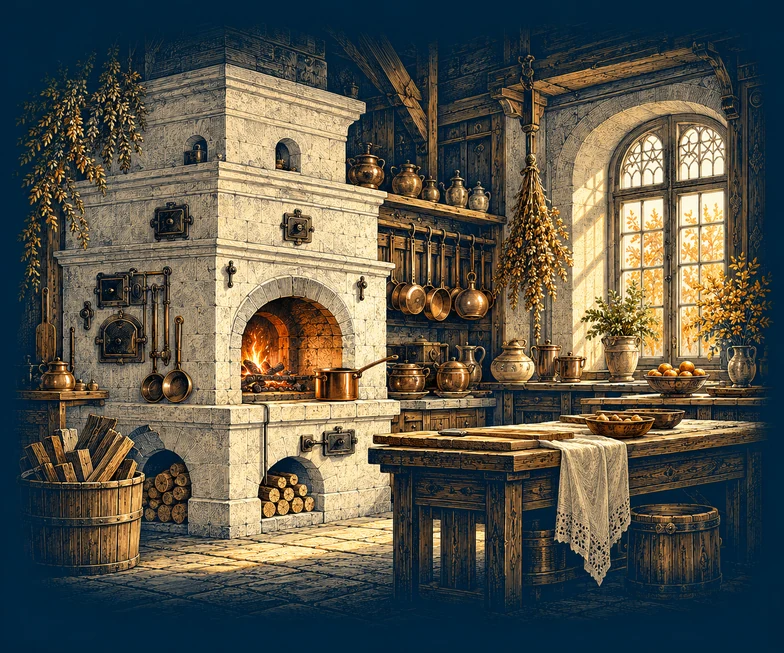
Traditional preparation
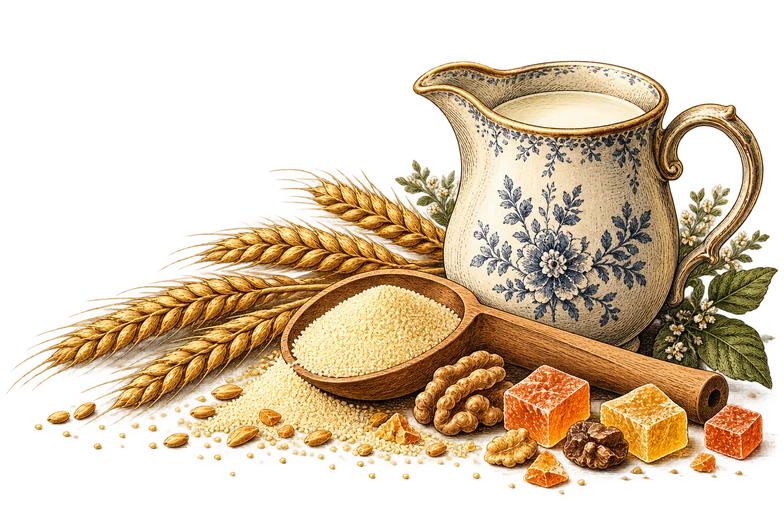
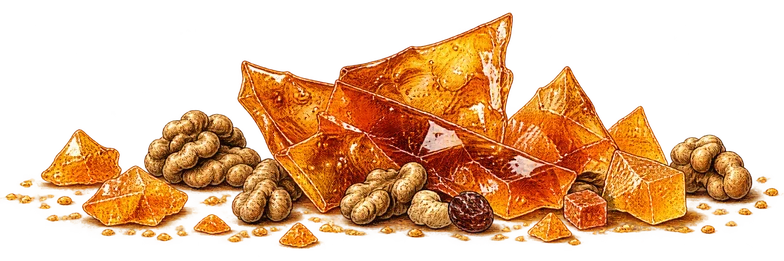
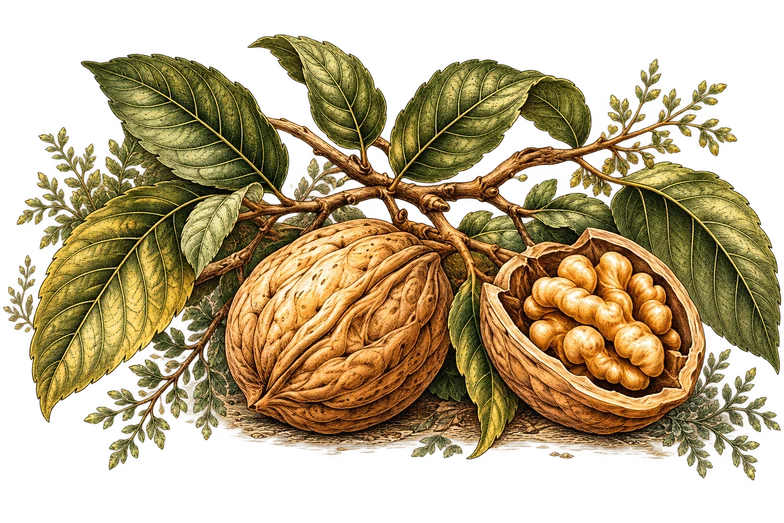
The traditional preparation was remarkably labor-intensive: cream was slowly simmered in brick ovens, and the browned skin layers were carefully peeled off and layered alternately with semolina cooked in milk, sugar-roasted nuts, and candied fruits, before being long-baked.
A modern interpretation
In our modern interpretation, we preserve the very essence—the creamy, nutty tenderness and toasted notes—while presenting it in a light, contemporary style with a crisp caramelized crust.