
Cranberry Mors
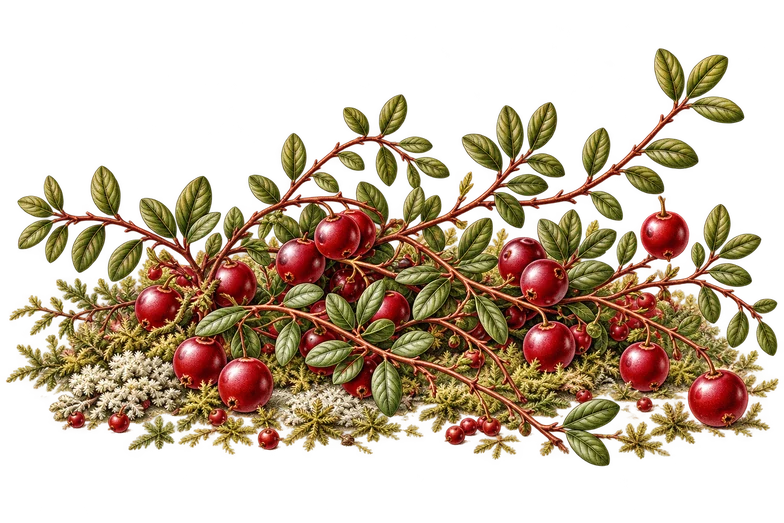
The first official culinary description of mors in Russia is recorded in the 16th-century Domostroy, while the name itself traces back to the ancient word mursa—meaning "water with honey."
The northern lemon
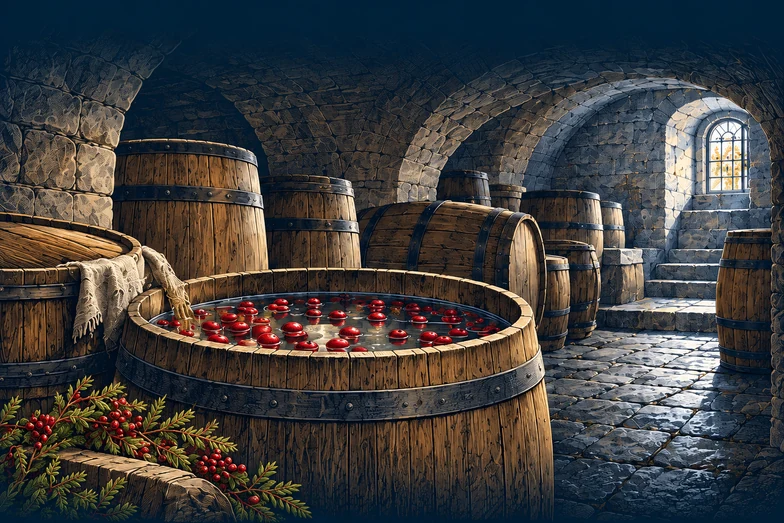
Cranberries were known in Russia as the "northern lemon" and were purchased by merchant households by the barrel: thanks to a high concentration of natural acids, they could be stored in fresh water within cold cellars all winter without losing their freshness.
At Russian receptions
At Russian receptions, cranberry mors performed the vital function of a palate cleanser: its high natural acidity refreshed the palate and perfectly prepared guests for the transition between heavy meat and fish courses.

Northern cranberries
Our menu features a thick, rich mors made from wild northern cranberries with a gentle, natural tartness.